
The Benefits of a Hybrid Cloud
Having different workloads on both public and private clouds embraces a hybrid cloud strategy that is increasingly becoming popular with IT and CISOs. In essence, this strategy means avoiding the proverbial “putting your eggs in one basket”, which is the best way to invite risk and breaches to your data.
We got a glimpse into the vulnerability of the cloud last week when Microsoft Azure’s South-Central US data center region was down for a while after a severe lightning storm disrupted their cooling system.
According to a TechTarget article, Azure Outage Spotlights Cloud Infrastructure Choices, “the surge hit the power cooling systems, and subsequent rising temperatures triggered automatic hardware shutdowns. Nearly three dozen cloud services, as well as the Azure status page, bore the brunt of the storm”. The article cited that “much of the problem lies in how Microsoft has built out its public cloud architecture, where most Azure regions are comprised of a single data center”. Additionally, there are so many risks of failures from many events, when workloads are solely stored on single data centers. To avoid this happening in the future writer James Montgomery at TechTarget said, “Microsoft must also modify its software to accommodate a multi-availability-zone architecture”.
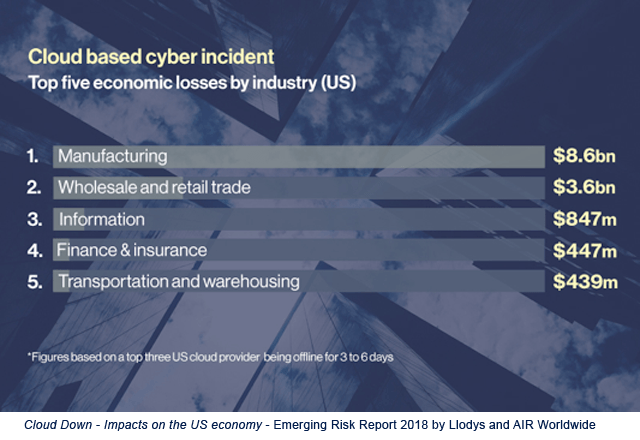
This Microsoft incident points out, once again, that a cloud first strategy opens up an organization to service outages and downtime. According to analytics firm Cyence, a startup that models the economic impact of cyber risk, the four-hour AWS outage in 2017 caused S&P 500 companies to lose approximately $150m. It’s crazy to think how much could be lost if a major cloud provider is offline for days. Lloyd’s, the specialist insurance and reinsurance market, in partnership with the risk modeler, AIR Worldwide put out a report in January that calculated an "extreme" cyber-incident -- one that takes a top cloud provider offline in the US for three to six days -- would result in industry losses of $15bn.
A hybrid cloud infrastructure provides organizations more control of their critical workloads, which could mean everything if a cloud provider is unfortunate enough to be pushed offline for hours/days. Check out our eBook, The Enterprise Journey to the Hybrid Cloud, which walks you through the steps required to building a world-class Hybrid Cloud infrastructure from setting goals and developing consensus to building and deploying secure hybrid workloads.